Choose resources that teach the same outer eight-part sequence, including preparation and closing. Compare starting positions, transitions, and endpoints when numbering differs. A pose image or a health claim cannot replace a clear explanation.
The manual: numbered steps and exact wording
These articles use an editorial reference copy: Babu Jingang Gong, credited to Mi Jing Zi. The scan bears that Chinese title and contains 147 scanned pages without a searchable text layer. Numbered steps help locate palm changes, side changes, and foot movements. Printed page numbers differ from the PDF viewer’s page count.
- Introduction: printed pages 4–5; PDF pages 17–18.
- Preparation: printed pages 6–9; PDF pages 19–22.
- Part 1: printed pages 13–21; PDF pages 26–34.
The title, credit, page count, and page features identify the copy used here; they do not establish a published edition. The PDF count is 13 higher in this scan. Another scan may include extra covers or blank pages. Find the part heading and step number before using the offset.
A publicly accessible original has not been verified for this scan, nor have its publisher, year, edition, or ISBN. First Chi does not offer the whole file for download. The Wuju book listing concerns Jingang Changshou Gong; it helps check the related title and Zhang Zhishun credit, but cannot establish this scan’s publication details. Compare the page features above before using the table with another copy.
The illustrated guide: positions and grouped changes
The other editorial reference copy bears the Chinese title Tujie Babu Jingang Gong (Illustrated Babu Jingang Gong), contains 33 pages, and identifies Zhang Zhishun as the demonstrator. It is used here for comparison; its status as an officially published companion to the manual has not been verified. It groups some consecutive changes together, so the number of groups need not match the manual’s numbered steps.
- Preparation: PDF page 2; Part 1: pages 3–6.
- Parts 2, 3, and 4: pages 7–10, 11–13, and 14–18.
- Parts 5, 6, and 7: pages 19–22, 23–26, and 27–30.
- Part 8: pages 31–32; closing: page 33.
Identify front, back, or side views before judging left and right. Still images help check positions; timing, connections, and effort also need the matching demonstration and explanation.
A publicly accessible original, editor, publisher, year, edition, and ISBN have not been verified for this copy. Preparation on page 2, Part 1 on pages 3–6, and closing on page 33 help identify it. Internal links labelled as illustrated source material lead to this explanation, not to a download of the original.
Nine steps or five groups: is something missing?
Not necessarily. In Part 1, the manual numbers the sideways arm raise and upright palms separately. It also separates palms facing up above the head, backs of hands together, and the upward reach. The illustrated guide groups adjacent changes.
Check that a segment retains the same starting position, internal transitions, and endpoint. Comparing only the numbers nine and five cannot show whether anything is missing. A single image of the upward reach cannot explain all the palm changes before it.
Where Can I View a Continuous Recording?
- Version: the names, sequence, preparation, and closing match the written material.
- View: the whole body and feet are visible; behind-the-back actions have a useful camera angle.
- Explanation: the teacher explains palm directions, paths, and transitions rather than only announcing part names.
- Review: you can pause, return to a section, and ask a specific question.
When two resources differ, identify the part and step before asking a teacher familiar with that version. Do not combine two unclear demonstrations into a new route.
A nine-repetition recording of Zhang Zhishun published by the Youmacai account runs about 22 minutes 40 seconds and includes the eight parts and closing. Its page title identifies it as a Youmacai recording from a 2011 gathering. This describes the publisher’s attribution, not an authenticated companion course to the scanned book.
Use it to locate continuous passages. It does not explain every palm direction, loading change or use of effort. Nine repetitions describes this recording, not a personal practice requirement. Compare the same part and viewing direction before examining how it begins and ends. Take differences to a teacher with a specific location. Page references and First Chi illustrations cannot independently establish full timing or effort, and a demonstration cannot replace teaching suited to the person.
Page references for Parts 2–8
Book pages are the printed manual numbers; Scan PDF means this manual scan, and Guide PDF means the illustrated guide. Locate the part title first if you use a different scan.
Teaching sources and health research answer different questions
A manual explains how a practice is taught. Traditional explanations provide cultural context. A clinical study addresses a defined health question in a particular population. Movement names, lineage accounts, and personal experiences cannot substitute for such a study.
Ask what research supports any promise about treating disease or guaranteeing results. A study of Baduanjin or tai chi cannot establish the same effect for Jingang Gong. NCCIH’s qigong overview explains the broader research and safety context.
What the First Chi illustrations show
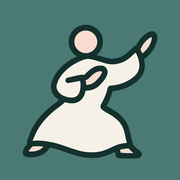
The illustrations are posture diagrams made for First Chi, including AI-assisted images. They are not photographs of Zhang Zhishun. Each image represents only the position described in its caption; it does not establish the full timing, breathing, effort, or transitions. Steps without a suitable illustration remain in text.
Crediting the manual and illustrated guide identifies sources for the written descriptions. It does not imply participation or endorsement by their authors, publishers, or teaching organisations. Read diagrams together with the text, original teaching material, and continuous demonstration.
References and sources
- Wuju book listing: Jingang Changshou Gong
The listing credits Zhang Zhishun as transmitter. It helps identify use of the broader book title; promotional health claims are not evidence, and the listing does not establish publication details of the scan used here.
- NCCIH: Qigong—What You Need To Know
Accessed through the proxy in this English review. Its definitions, safety information, and research cover several practices; they do not establish a specific effect for Jingang Gong or a particular course. Read our study summary →
- Youmacai account: Zhang Zhishun, nine-repetition continuous recording
Accessed through the proxy on 20 October 2026. The platform gives 1360 seconds and attributes it to a 2011 Youmacai recording. Samples from the beginning, each part and closing were inspected for content identification, not a complete technical review or independent verification of the filming date and account identity. Repetition and health advice were not adopted. This is not a public original of the scanned books.