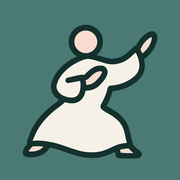
Mountain Pose is not an effort to stand as rigidly as possible. In this feet-apart version, establish steady foot support, avoid locking the knees or lifting the shoulders, and let the arms rest by the sides.
Which version is this?
Mountain Pose is called Tadasana in Sanskrit. This guide retains the feet-about-hip-width-apart version from the Yoga Journal teaching used in the Chinese editorial review. It does not start with the narrower big-toes-touching version. The source also describes wall and chair variations.
This is a guide to entering and leaving one posture, not a timed standing challenge or a promise to correct posture or pain. The source page was rate-limited during the English review; the previously reviewed movement sequence is preserved.
Enter: arrange the feet, then the upper body
- Stand on a clear, nonslip surface with the feet about hip-width apart. Check their position, then return your gaze forward rather than making large adjustments while looking down.
- Gently spread the toes, then place them back on the floor. Notice contact through the heels and the inner and outer forefoot; do not keep rolling onto the outer edges.
- Let the legs support you without pushing the knees backward into a locked position. This is not a squat or a sustained effort to bend deeply.
- Organize the body upward from the feet: let the pelvis, trunk, and crown extend upward without drawing the shoulders toward the ears. Let the arms hang by the sides, palms facing forward, with the gaze level.
The source uses the relationship of shoulders, hips, knees, and ankles to describe standing. It does not require every body to fit a ruler-straight line. An observing teacher can clarify a position that is difficult to judge yourself.
Stay: check three places
- Feet: maintain steady contact without gripping the floor hard with the toes.
- Knees: the legs support you without continually pressing the knees backward. If locking them seems necessary to stand, stop and seek an appropriate adjustment.
- Shoulders and breathing: avoid shrugging or tightening the face and throat. Let breathing continue naturally; absolute stillness is not the test.
No required hold time is given here. First recognize the arrangement and return comfortably to ordinary standing. Do not remain uncomfortable to complete a timer.
Does every part of the back have to touch the wall?
No. In the source’s wall variation, contact helps you notice position; it does not require every point of the body to touch. Do not use the wall to flatten the lower back or press the head backward. Check the floor and wall area first.
A wall does not automatically resolve difficulty standing. The source also has a chair variation. Seated Cat–Cow introduces a different seated movement, but it is not a universal substitute for every mobility limitation.
Finish: return to ordinary standing
There is no added backbend, forward fold, or heel raise to complete this posture. Stop repeatedly adjusting, let the arms settle comfortably, and remain steady before moving on. Check your footing before turning for a phone or walking away.
Stop if pain, dizziness, or clear discomfort occurs. The finish is a return to ordinary standing, not an extra balance exercise. See NCCIH’s overview for the distinction between general instruction and individual needs.
Three common misunderstandings
“Closer feet are more correct.” The teaching includes a feet-apart version. A narrow stance in a photograph is not a level to earn.
“I must tuck the tailbone hard.” The source cautions that overdoing this can push the hips forward and flatten the natural lower-back curve. A cue is not an instruction to squeeze the buttocks continuously.
“Lift the chest means squeeze the shoulder blades.” Holding the breath, shrugging, or leaning backward changes the task. For your next review, choose one detail, such as foot contact; see learning poses and transitions.
References and sources
- Yoga Journal: Mountain Pose—How to Do Tadasana
The page returned HTTP 429 on the original fetch and paced retry. The English guide preserves the feet-apart, knee, arm, and wall-variation sequence from the October 17 Chinese source review. It does not claim fresh full-page verification or repeat health claims.
- NCCIH: Yoga—Effectiveness and Safety
Read the definitions, variation between programs, beginner considerations, and survey figures. This overview does not validate a particular online course.